Key Takeaways
5 points- You can sue for $500 to $1,500 per illegal robocall under the TCPA
- Robocalls include autodialed calls and pre-recorded messages without consent
- You can revoke consent at any time by telling the caller to stop
- Document everything: call logs, voicemails, texts, and screenshots
- Don't wait—consult a Florida TCPA attorney as soon as possible
How to Sue for Robocalls in Florida
If you're receiving unwanted robocalls from telemarketers, debt collectors, or scammers, you have the legal right to sue—and you may be entitled to between $500 and $1,500 for each illegal call. Under the Telephone Consumer Protection Act (TCPA), companies cannot use automated dialing systems or pre-recorded messages to contact your phone without your permission.
This guide explains what counts as an illegal robocall, how to sue under the TCPA, what damages you can recover, and what steps to take if you're being harassed by robocallers in Florida.
What Is the Telephone Consumer Protection Act (TCPA)?
The Telephone Consumer Protection Act (TCPA) is a federal law enacted in 1991 to protect consumers from unwanted telemarketing calls, robocalls, and spam text messages. The TCPA applies nationwide, including Florida, and gives consumers the right to sue companies that violate the law.
The TCPA prohibits:
Robocalls to your cell phone without written consent
Pre-recorded messages without permission
Automated text messages without consent
Calls before 8:00 a.m. or after 9:00 p.m. in your time zone
Calls to numbers on the National Do Not Call Registry
Even if a company is calling about a legitimate matter—like a debt or an appointment reminder—they must still follow TCPA rules. Violations can result in significant financial penalties.
What Counts as a Robocall?
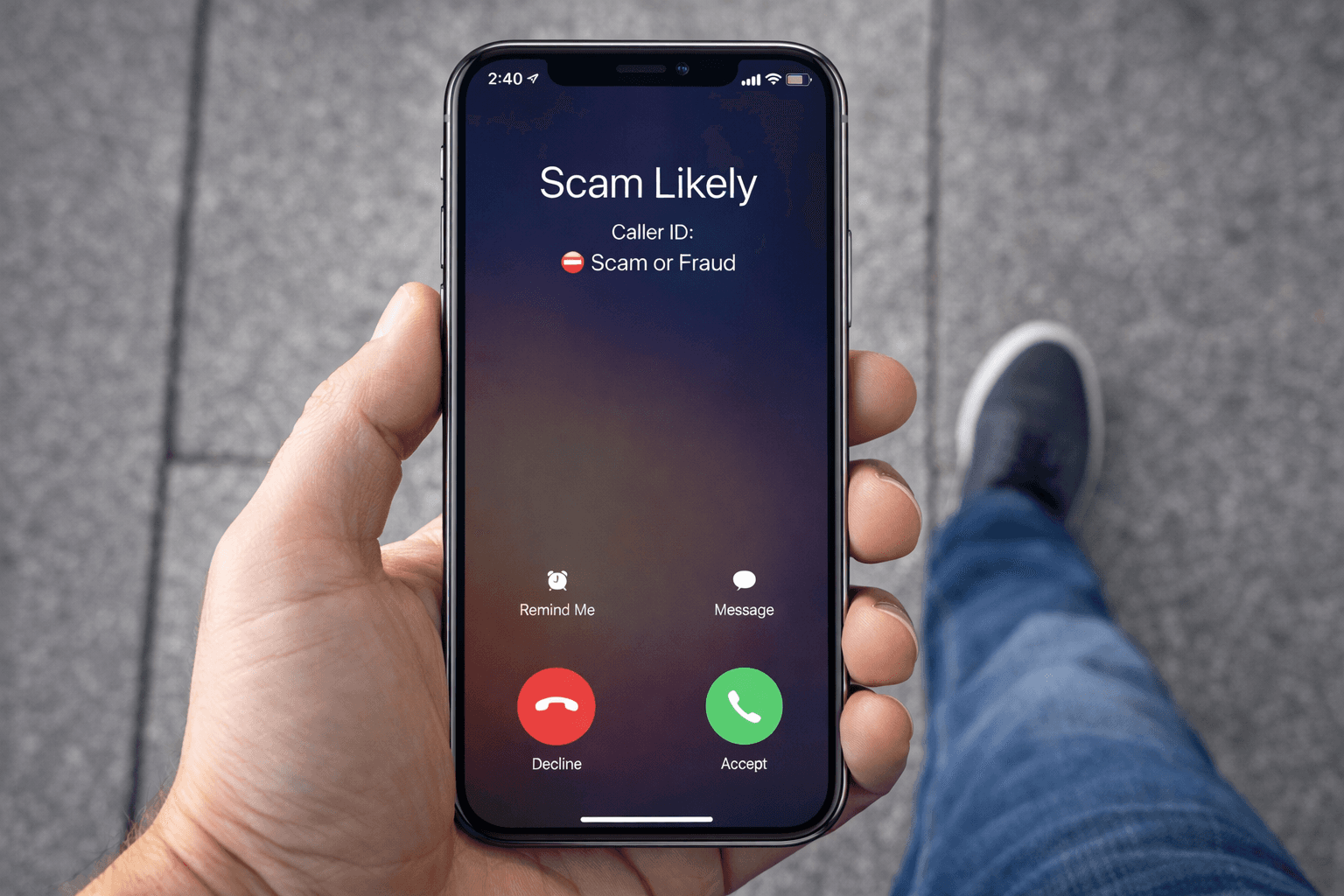
A robocall is any phone call made using an automated telephone dialing system (ATDS) or featuring a pre-recorded or artificial voice message.
Common signs you've received a robocall:
You hear a pause or silence after answering before someone speaks
You hear a pre-recorded message instead of a live person
You're prompted to press a button to speak with a representative
The call goes straight to voicemail with a pre-recorded message
You receive multiple calls in a short time from the same number
Robocalls include:
Telemarketing calls
Debt collection calls using autodialers
Political campaign calls (with some exceptions)
Scam calls
Wrong-number calls made by autodialers
Important: Even if you answer and speak to a real person, if the call was initiated by an autodialer, it's still considered a robocall under the TCPA.
Can You Sue Someone for Robocalls?
Yes—but only if you can identify who's calling you.
If a legitimate business or debt collector is making illegal robocalls, you can sue them in federal or state court. However, if the calls are coming from scammers or spoofed numbers, it may be difficult to pursue legal action because you can't identify the caller.
You can sue for robocalls if:
The caller used an autodialer or pre-recorded message without your consent
You never gave written permission to be contacted this way
You asked them to stop calling and they continued
Your number is on the National Do Not Call Registry and they called anyway
They called outside allowed hours (before 8 a.m. or after 9 p.m.)
You do NOT need to prove financial harm to win a TCPA case. The law allows you to recover damages even if the calls were just annoying.
How Much Can You Get from a Robocall Lawsuit?
Under the TCPA, you can recover:
$500 per call (standard violation)
If a company violated the TCPA unintentionally, you can recover up to $500 for each illegal call or text.
$1,500 per call (willful violation)
If the company knowingly or willfully violated the TCPA—such as continuing to call after you told them to stop—you can recover up to $1,500 per call.
Attorney's Fees and Costs
If you win, the company that violated the TCPA must pay your attorney's fees and court costs. This is critical—it means you can pursue justice without worrying about legal bills.
Most Florida consumer rights attorneys handle TCPA cases on a contingency basis, meaning you pay nothing unless you win.
What If I Gave Consent?
Even if you previously gave consent to be contacted, you can revoke that consent at any time.
How to revoke consent:
Tell the caller directly: "I revoke my consent. Do not call me again."
Send a written letter (certified mail recommended) stating you no longer consent to robocalls
Keep a record of your revocation
Once you revoke consent, any future robocalls are illegal under the TCPA, and you can sue for damages.
Do I Need a Lawyer to Sue for Robocalls?
No, but it helps.
You can file a TCPA lawsuit in small claims court on your own, but working with an experienced attorney increases your chances of success and maximizes your recovery.
Benefits of hiring a TCPA attorney:
They know how to identify violations and build a strong case
They handle all the legal paperwork and court filings
They can negotiate settlements with the company
You pay nothing upfront—most work on contingency
If you win, the company pays your attorney's fees
At Consumer Law Florida, we help Florida residents hold robocallers accountable. We offer a free case review, and you don't pay unless we win.
How to Prove a Robocall Violation
To win a TCPA lawsuit, you need to prove:
You received a call to your cell phone or landline
The call was made using an autodialer or pre-recorded message
You did not give written consent to receive calls this way, OR you revoked consent
The caller violated TCPA rules (wrong time, Do Not Call list, etc.)
Evidence you should collect:
Call logs showing the date, time, and phone number
Voicemails with pre-recorded messages
Text messages from the caller
Screenshots of your call history
Written revocation letters (if you asked them to stop)
Proof your number is on the Do Not Call Registry
The more evidence you have, the stronger your case.
What Steps Should You Take If You're Getting Robocalls?
If you're being harassed by illegal robocalls, follow these steps:
1. Don't Ignore Them—Document Everything
Keep detailed records of:
Dates and times of calls
Phone numbers (even if they're spoofed)
What the recording said or what the caller wanted
Screenshots of your call log
Save voicemails and don't delete call history.
2. Add Your Number to the Do Not Call Registry
Register your phone number at DoNotCall.gov or call 1-888-382-1222.
Once registered, telemarketers must stop calling within 31 days. If they continue, they may be violating federal law.
3. Ask Them to Stop
If you know who's calling:
Tell them directly: "Stop calling me. I revoke consent."
Send a written cease-and-desist letter by certified mail
Keep proof that you made this request.
4. Don't Engage with Scammers
If you suspect the call is a scam:
Don't answer or hang up immediately
Don't press any buttons or provide personal information
Don't try to trick the scammer into revealing information (unless you're working with an attorney)
Engaging with scammers can lead to more calls.
5. Report the Robocalls
You can file complaints with:
Federal Trade Commission (FTC): reportfraud.ftc.gov
Federal Communications Commission (FCC): consumercomplaints.fcc.gov
Reporting helps authorities track patterns, but it won't get you compensation. To recover damages, you need to file a lawsuit.
6. Consult a TCPA Attorney
If you've received multiple illegal robocalls, contact a lawyer who handles TCPA cases in Florida. Most offer free consultations and work on contingency.
Can You Sue for Text Messages?
Yes. The TCPA covers unwanted text messages the same way it covers robocalls.
If a company sends you automated marketing texts without your written consent, you can sue for $500 to $1,500 per text.
Common TCPA text message violations:
Promotional texts you never signed up for
Debt collection texts sent without consent
Texts sent after you replied "STOP"
Texts sent to numbers on the Do Not Call Registry
What About Calls From Debt Collectors?
Debt collectors can call you, but they still must follow TCPA rules.
Illegal debt collection robocalls include:
Using an autodialer without consent
Calling before 8 a.m. or after 9 p.m.
Calling after you've revoked consent in writing
Leaving pre-recorded voicemails
If a debt collector is harassing you with illegal robocalls, you may have claims under both the TCPA and the FDCPA (Fair Debt Collection Practices Act).
What Are the Exceptions to the TCPA?
Some robocalls are allowed under the TCPA:
Informational calls: Appointment reminders, flight cancellations, school closures (as long as they don't try to sell you something)
Political calls: Campaign calls and political surveys
Charity calls: From charities you've donated to or are a member of
Health care providers: Prescription refill reminders
Emergency calls: Public safety alerts
However, even these calls cannot be made before 8 a.m. or after 9 p.m., and you can still ask to be removed from their call list.
How Long Do You Have to Sue?
The TCPA has a 4-year statute of limitations from the date of the violation. This is longer than most consumer protection laws, giving you more time to pursue your case.
However, don't wait—the sooner you act, the better your chances of recovering damages and stopping the calls.
What If the Robocalls Are From Scammers?
Unfortunately, if the calls are coming from scammers using spoofed numbers, it's very difficult to sue because you can't identify the caller.
What you can do:
Report the scam to the FTC and FCC
Use call-blocking apps to reduce scam calls
Never provide personal information or payment to unknown callers
If the scammer impersonates a real company, report it to that company—they may pursue legal action
Most successful TCPA lawsuits are against legitimate businesses that violate the rules, not scammers.
Can You Join a Class Action Lawsuit for Robocalls?
Yes. Many TCPA violations result in class action lawsuits where thousands of consumers who received illegal calls from the same company join together to sue.
Famous robocall class action settlements:
Dish Network: $61 million settlement
Royal Caribbean/Carnival: $12.5 million settlement
Capital One: Multiple settlements for robocall violations
If you've been receiving robocalls, check if there's an active class action against that company. You can also file an individual lawsuit for higher potential damages.
How a Florida TCPA Lawyer Can Help
Pursuing a TCPA case on your own is possible, but working with an experienced attorney increases your chances of success. A TCPA lawyer can:
Investigate your case and identify all violations
Gather evidence and build a strong claim
Negotiate a settlement with the company
File a lawsuit in federal or state court
Handle all legal work so you don't have to worry about the process
At Consumer Law Florida, we help Florida residents stop illegal robocalls and recover damages. We offer a free case review, and you don't pay unless we win.
Frequently Asked Questions

Free Consultation
Were your rights violated?
Free Consultation
Were your rights violated?
We fight for consumers — no upfront cost, no fee unless we win. (833) 645-3247
Consumer Law Florida · Licensed Florida attorneys · Serving clients statewide by phone & video